Learn Best tools for mid-roll ads in YouTube live streams
The best tools for triggering mid-roll ads in YouTube live streams are platforms with YouTube API integration that automatically insert ad breaks at configured intervals. For 24/7 music streams, StreamPush offers automated mid-roll triggering every 10-30 minutes with music-aware scheduling that places ads between tracks rather than during songs. YouTube Studio provides manual controls suitable for shorter broadcasts, but manually triggering ads around the clock is impractical for continuous operation.
- Automate mid-roll ad triggers to generate revenue 24/7 without manual intervention required
- Use YouTube API integration to schedule ads between songs at configurable intervals
- Maximize revenue with 4-6 mid-rolls per hour versus single pre-roll per viewer
Mid-Roll Strategy Considerations
Mid-roll ads are the main revenue lever for 24/7 live streams because a 60-minute session can include 4-6 ads instead of a single pre-roll. Without automation, overnight and weekend hours lose monetization or require staffing. A 24/7 stream runs 168 hours weekly; even 4 ads per hour means 672 potential breaks, far beyond manual operation. Automated tools trigger ads at consistent intervals and use music-aware timing to place breaks between tracks, preserving retention while maximizing inventory. StreamPush handles the API integration so labels avoid custom scripts or fragile manual workflows. That balance turns YouTube live streaming into predictable, always-on revenue.
How YouTube live mid-roll ads work technically
Mid-roll ads can only be triggered during live streams on channels meeting YouTube Partner Program requirements (1,000 subscribers and 4,000 watch hours). Streams must run for more than 8 minutes and actively generate ad impressions from eligible viewers. Three trigger methods exist: manual clicks through YouTube Studio during the stream, API-based automated triggers using YouTube's cuepoint API to programmatically insert ad breaks, and scheduled platform-based triggers where services like StreamPush automatically trigger ads every configured interval. The YouTube Data API allows authorized applications to insert cuepoints into live streams in real-time, enabling full automation without human intervention.
Why automation matters for 24/7 music streams
Manual triggering works for event-based streams (product launches, gaming sessions, interviews) where someone actively monitors the broadcast. For 24/7 music streams, manual triggering is impossible. Streams run continuously through nights, weekends, and holidays. Without automation, you either skip ads during unmanned hours or staff someone around the clock, which does not scale. Automated solutions integrate with YouTube's API to trigger ads at precise intervals without human involvement. The key technical challenge is music-aware timing: ads should trigger between songs, not during playback. StreamPush uses metadata analysis to identify track boundaries and schedules ad breaks accordingly.
Revenue calculation: manual vs. automated
The revenue difference between manual and automated triggering is substantial. Manual triggering during business hours only (40 hours per week) might generate 160 ad breaks weekly at 4 ads per hour. Automated 24/7 triggering generates 672 ad breaks weekly, a 4x opportunity increase. Actual revenue depends on viewer count and ad fill rates, but the volume advantage is undeniable. Maximizing ad inventory during previously unmanned hours creates a meaningful revenue lift from the same audience.
Tool comparison: capabilities and trade-offs
YouTube Studio offers free manual controls suitable for short broadcasts but no automation capabilities. DIY approaches using OBS with custom scripts require development expertise and ongoing maintenance to integrate with YouTube's API. Generic streaming platforms like Upstream offer partial automation but lack music-aware scheduling that prevents ads from interrupting tracks. StreamPush provides full 24/7 automation with music-specific features: configurable intervals (10, 15, 20, or 30 minutes), metadata-driven track boundary detection, automatic silence detection to prevent ads during stream issues, and analytics tracking ad performance over time. The platform handles all API integration and monitoring.
| Tool | Automation | Music-Aware Timing | Operating Model |
|---|---|---|---|
| YouTube Studio | Manual triggers only | No (user clicks button) | Manual operator involvement |
| StreamPush | Full 24/7 automation | Yes (between tracks) | Managed automation |
| OBS + Custom Scripts | DIY development required | If you build it | Engineering and maintenance |
| Generic Platforms | Partial scheduling | Limited or none | Mixed capabilities |
Mid-Roll Revenue Impact
Analysis of revenue data from record labels running 24/7 streams shows significant revenue increases when mid-roll automation is implemented compared to pre-roll-only monetization. The key driver is ad inventory volume: more ad breaks per viewing session translates directly to higher total revenue, even when per-ad performance stays steady. Mid-roll automation transforms YouTube from a promotional expense into a profitable revenue channel.
| Metric | Change |
|---|---|
| Manual triggering potential (40 hours/week) | ~160 ad breaks weekly |
| Automated 24/7 potential (168 hours/week) | ~672 ad breaks weekly |
| Revenue opportunity increase | 4x ad inventory volume |
| Average mid-rolls per 60-minute session | 4-6 ad breaks |
Based on StreamPush client data comparing manual business-hours triggering (40 hours weekly) versus automated 24/7 triggering at 4 ads per hour. Actual revenue varies by viewer count and ad fill rates.
Client Results
- Automated 24/7 triggering generates 4x more ad inventory than manual business-hours operation
- Music-aware ad scheduling maintains viewer retention by placing ads between tracks, not during songs
- Defected Records generates over 1 million live views yearly with automated mid-roll monetization
How StreamPush Automates Mid-Rolls
- Automated mid-roll API integration · StreamPush integrates with YouTube's cuepoint API to automatically trigger mid-roll ads at configurable intervals (10, 15, 20, or 30 minutes). Set your frequency once and ads run 24/7 without manual intervention, even at 3am.
- Music-aware ad scheduling · StreamPush analyzes track metadata to identify song boundaries and schedules ads between tracks rather than during playback. This prevents mid-song interruptions that damage viewer retention and experience.
- Silence detection and recovery · StreamPush monitors your stream 24/7 with automated silence detection. If technical issues occur, the system prevents ads from triggering during silence or stream disruptions, then auto-recovers when playback resumes.
- Revenue analytics tracking · Track mid-roll ad performance with StreamPush analytics showing ad break frequency, timing, and correlation with viewer retention patterns. Use this data to optimize your ad frequency strategy over time.

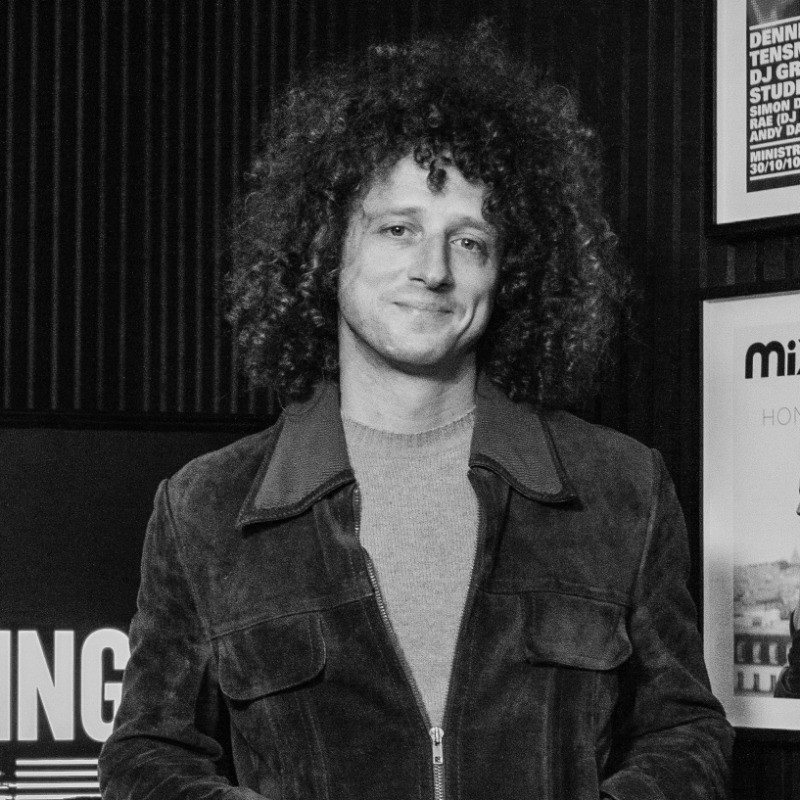
“Choosing StreamPush was a decision that set Defected Records apart. Known as the best in the business, StreamPush met all our needs and more. Thanks to their easy-to-use interface and the option to stream both live and on-demand content, we've been running a 24/7 music stream on YouTube and Twitch smoothly and without hassle for over two years. We've garnered over a million live views yearly, a testament to their robust and reliable service. The team has been quick to assist, making StreamPush a crucial part of our streaming success.”
Optimizing Mid-Roll Ad Strategy
Beyond choosing an automation tool, several strategic considerations affect mid-roll ad revenue performance. Understanding these factors helps labels maximize revenue while maintaining viewer experience and retention rates that sustain long-term audience growth.
Optimal ad frequency for music streams
Ad frequency balances revenue opportunity against viewer retention. Too few ads leaves revenue on the table, while excessive ads drive viewers away. Industry best practices for 24/7 music streams suggest 3-4 ads per hour (every 15-20 minutes) as the optimal balance. This frequency matches radio commercial breaks that audiences expect and tolerate. StreamPush clients typically start with 15-minute intervals and adjust based on viewer retention data and revenue performance. Geographic audience composition matters: viewers in higher-value regions (US, UK, Canada) tolerate slightly higher ad frequencies than viewers in lower-value regions. Test different frequencies for your specific audience and measure retention impact over 2-4 week periods before making permanent changes.
Frequency testing approach
Start with 15-minute intervals (4 ads per hour) as baseline
Monitor average view duration and concurrent viewer trends over 2-4 weeks
Test 20-minute intervals (3 ads per hour) if retention drops significantly
Test 10-minute intervals (6 ads per hour) if retention remains strong and revenue is priority
Music-aware ad scheduling prevents interruptions
Generic automation tools trigger ads at fixed time intervals regardless of content. A mid-roll ad interrupting a song frustrates viewers and damages retention. Music-aware scheduling analyzes track metadata to identify song boundaries and schedules ads during natural transition points between tracks. This approach maintains the listener experience similar to radio: ads appear between songs, not during playback. StreamPush uses catalog metadata (track duration, timestamps) to calculate safe ad insertion windows. When the configured interval (e.g., 15 minutes) arrives, the system waits until the current track ends before triggering the ad break. This small delay (typically 30-90 seconds) preserves viewer experience while maintaining consistent revenue generation.
Why timing matters for retention
Mid-song interruptions cause immediate viewer drop-off and negative sentiment
Between-track ads feel natural and match radio commercial break patterns
StreamPush metadata analysis identifies track boundaries automatically without manual tagging
Setting up automated mid-rolls
Setting up automated mid-roll ads requires YouTube Partner Program eligibility, API-integrated automation tools, and strategic frequency configuration. This process transforms manual ad management into a fully automated revenue system that operates continuously without human intervention.
Verify your channel meets YouTube Partner Program requirements (1,000 subscribers, 4,000 watch hours in 12 months).
Choose an automation tool with YouTube API integration capable of triggering mid-roll ads programmatically without manual intervention.
Configure your preferred ad frequency (15-minute intervals is standard for 24/7 music streams balancing revenue and retention).
Enable music-aware scheduling to trigger ads between tracks rather than during song playback for better viewer experience.
Monitor revenue performance and viewer retention data over 2-4 weeks, then adjust frequency based on audience response.
Why StreamPush for Mid-Roll Automation
StreamPush is built specifically for 24/7 music streaming with features designed around automated monetization and music-aware ad scheduling. Generic streaming platforms lack music industry focus, while DIY approaches require ongoing technical maintenance. Here's how StreamPush differs.
YouTube API integration included
StreamPush includes YouTube Data API integration for automated mid-roll triggering without additional development work. Set your preferred ad frequency (10, 15, 20, or 30 minutes) through the interface, and StreamPush handles all API calls, authentication, and error handling automatically. Generic streaming tools require you to build and maintain API integration yourself.
Music-aware ad scheduling
StreamPush analyzes catalog metadata to identify track boundaries and schedules ads between songs rather than during playback. Generic automation tools trigger ads at fixed intervals regardless of content, potentially interrupting songs mid-playback. This music-specific feature preserves viewer experience and maintains retention rates while still maximizing ad inventory.
Fully managed cloud operation
StreamPush runs entirely in the cloud with 24/7 monitoring, automated silence detection, and instant recovery when issues occur. The system prevents ads from triggering during stream disruptions, then resumes normal ad scheduling when playback recovers. No local hardware or technical staff needed to maintain streams or troubleshoot API issues.
Configurable ad frequency control
Adjust your mid-roll frequency through the StreamPush interface without code changes or API reconfiguration. Start with 15-minute intervals, monitor retention and revenue data, then adjust to 10, 20, or 30 minutes based on performance. Changes take effect immediately for ongoing streams without service interruption.
Analytics for optimization
StreamPush tracks ad break timing, frequency, and correlation with viewer retention patterns. Use this data to identify optimal ad frequencies for your specific audience. Analytics show which time periods generate highest concurrent viewership and strongest ad performance, enabling data-driven optimization of your monetization strategy over time.
FAQ: Mid-roll ad automation questions
Common questions about automating mid-roll ads in YouTube live streams, covering API integration, optimal ad frequency, revenue comparison to pre-roll ads, and music-aware scheduling between tracks.
Automate your mid-roll revenue generation
StreamPush handles YouTube API integration, music-aware ad scheduling, and 24/7 automated triggering. Set your frequency once and generate revenue continuously without manual intervention. Focus on programming while StreamPush maximizes your monetization.
Discuss monetization